


Shop Wholesale Soap & Bulk Body Care
Guaranteed lowest pricing on bulk orders. Shipping faster and cheaper than any other Wholesale Manufacturer for over 20 years.
Ask us about our private label and white label offerings today


Most Asked Soap Questions
We offer personalized service to help you start and grow your business. The Soap Guy staff are here to support you and help you every step of the way. We know that our success depends on the success of each and every one of our customers. We make our soap with the finest food-grade ingredients purchased locally from family businesses just like ours. Our formula is the result of many years of adjusting using the newest and best information available from the best soap-making chemists. If you are a jobber, retailer, distributor, importer or any other reseller you will love our products.
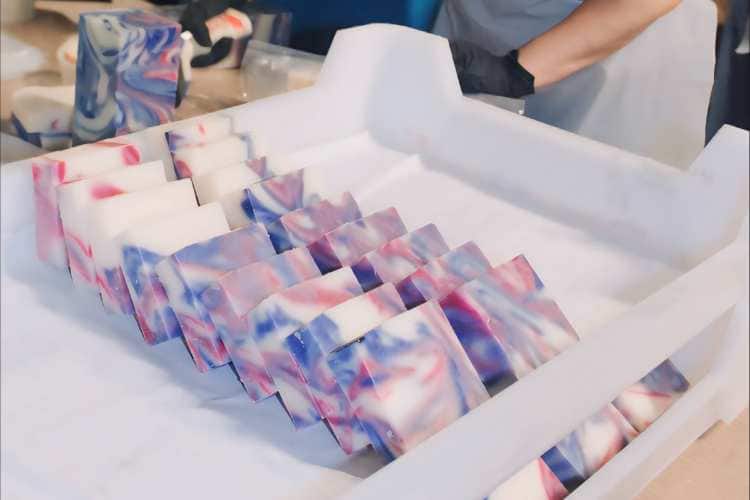
Yes, our soap is cold-process soap. This is the "old-fashioned" way of making soap.
We have adjusted our techniques as the business has grown to keep the handmade aspect of our soap-making process 100% intact for that "old world artisan" appeal.
In my opinion it is coconut oil. Whenever you check out different books and websites offering recipes for handcrafted soap you will find over 90% include coconut oil. This is where the lather attribute of your soap comes from. There are other minor players like castor oil, but coconut oil is the key. Another great quality of coconut oil is that it has a very mild pH level that is awesome for human skin.
Absolutely, and most of our customers do! Soap is a consumable product that needs to replenished on a regular basis. Everybody uses soap every day. Your customers will buy soap somewhere - this is the best opportunity for a new business to get started. Soap of this quality can be addicting and customers will travel across town to purchase their favorite bar of soap from a reliable vendor Handmade soap company products will become an addiction that will turn your customers into repeat buyers. Some customers specialize in items for women, others in items for men. Charcoal Soap is also very hot right now. This a great way to get started. Picking a specific market always helps in the beginning.
Many customers buy bulk quantities of our wholesale soap once or twice a year for their families. At the end of the year they take the remaining soap and make handcrafted Christmas gifts for their extended families, neighbors and friends.
Questions about your options?
Check out our Wholesale Soap Buying Guide!
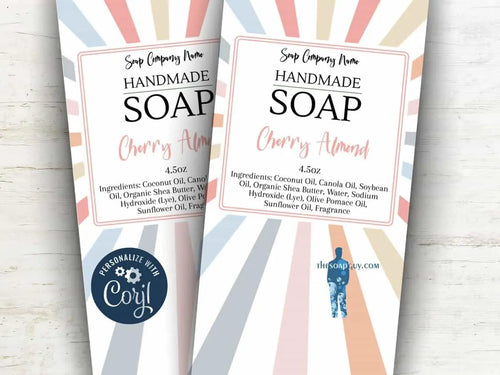
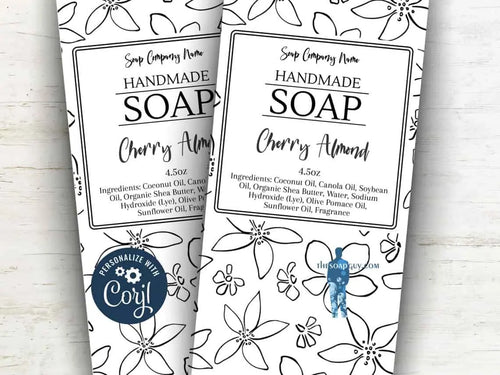
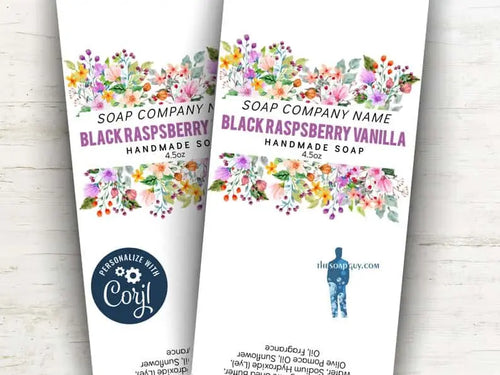
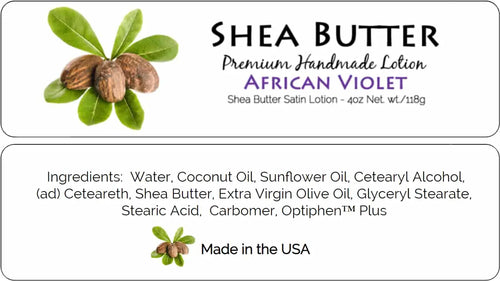
Free Custom Labels with your Bulk Order!
Click here to learn more about ordering our Custom Soap Labels.
If you order custom labels, please reach out by clicking here
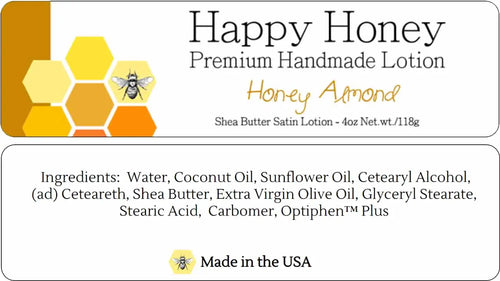
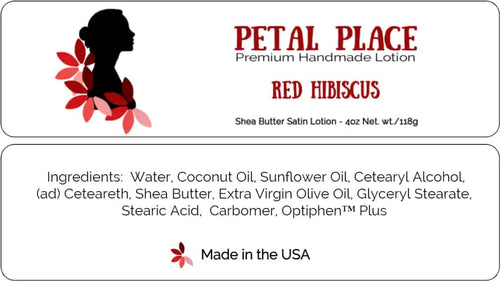
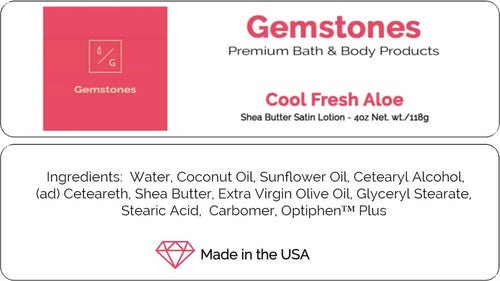
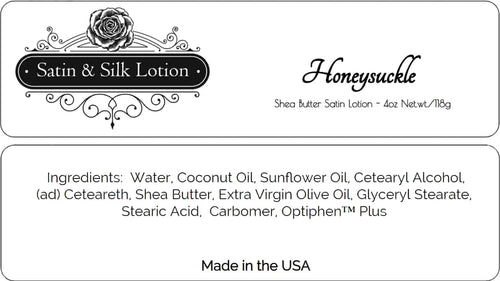
Private Label Included
Handmade Soap
Your Questions Answered by
The Soap Guy
Our staff keeps a current list of best sellers for all of our products. If you need help choosing, we will gladly email you the list to help you get started. You can also just ask us to choose best sellers for your order. We will send you an assortment of fragrances that have been selling best for our customers.
Orders that need to be shipped overseas require confirmation prior to payment so that we can provide an accurate shipping quote.
Yes. We can make custom labels using your logo and contact information. Check out our custom label link to see some great examples of labels we have created for our customers. These labels add a great personalized touch and make sure your customer returns to you for additional sales.
All items returned within 30 days will be given a 100% refund. Please call us first for return instructions.
Yes, we are open from 8am - 4pm central time. Be sure to call ahead to make sure your order is ready.
All of our olive oils soaps are vegan. We do, however make "Goat Milk Soap" and "Greek Yogurt Soap" which are not vegan. We do have several resellers who specifically market our olive oil soap as "vegan soap" to their customers.
Please call for exact lead times on large orders. Typically orders taken from our current inventory list are 1000 - 5000 bars, approximately two weeks. This can be shorter for some fragrances so please check first.
Yes, we ship by pallet. Your charge will be fob La Porte, Indiana 46350. There is an additional charge for a liftgate.
Yes, we can, but there will be an additional charge. Remember, soap is heavy so overnight shipping can be very expensive. We get deeply discounted shipping rates and we will pass them along to you. We strongly recommend planning ahead and ordering early for holidays or special events.
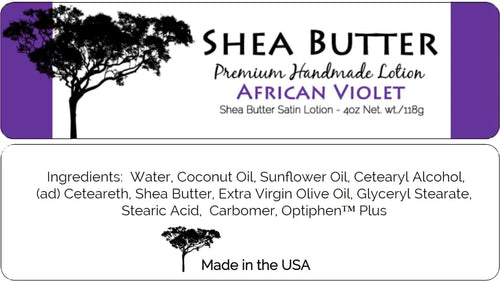
Yes, though the label is small and the space is limited. We are required to put the ingredients on each label so this leaves even less room. Send us your logo and we will send you sample label back for approval.
Any time you add water to a recipe there is a strong chance of bacteria growing in your product before the item is completely used. Many preservatives advocated by the purists in the natural crowd only last several weeks and are very inconsistent. Though our lotion preservative can be labeled as natural, the most important factor for us is, does it work. And the answer is absolutely "yes." We have tested it under the most rigorous situations and you can be sure you customers will be pleased with the shelf life of our popular lotion formula.
Yes! You can shop our Wholesale Shower Steamers here. A minimum of 12 per fragrance is required.
How do I have success in my handmade soap business?
We are here to offer help in any way we can. Also, be sure to check our Youtube page for videos on selling our soap. Our success depends on your success. So much so that we have been giving away thousands of bars of soap and bath bombs over years to get our customers excited about their soap business. We get so excited for our customers' success, for as they grow, we grow with them.
This was the reason we offered custom labels to small business people right from the start. Private labeling had always been available to the big guys, but it was unheard of for the mom and pop operation. We quickly realized if we could help our customers develop a loyal following for their private-labeled offerings, our business would prosper also. more info
Over the years our lineup of products has grown at the request of our customers. Our latest item is our loofah soap. It is a nice addition to what we are already offering and a great complementary item for our customers' bath and body lines. The other hot item of recent years is our body butter. This is a very exciting item that can offer huge margins with the right presentation. Logistics or, in other words, how to ship your products, can be a great margin killer. Be sure to pay specific attention to this expense. Browse our full range of handmade soap bars to get started.
Starting a Soap Business Tips
Yes! We offer private labeling for all of our products.
Yes. Both of those platforms have their own requirements for sellers who use them. Please be sure and check with them first before you make a large purchase. Also, their requirements may change from time to time, so be sure to check with them. The new requirements might be more stringent than previous ones.
Many soap sellers start at their local Farmer's Market, County Fair or similar venue. This a great way to get instant feedback so you can adjust your product line and marketing strategy early. If you do not want to make products you can purchase from a reliable vendor to get yourself started. Working with a local business can eliminate a lot issues including shipping costs. Ask if you can purchase items on consignment so your financial output is limited.
Some people start as jobbers and have regular routes filling stores as they run out of product. Our other suggestion is never to offer products from China. This will destroy your credibility in the handmade local business arena.
The more you know, the better you will be able to discuss the finer details of our products with your customers.
Manufacturing and distribution are two completely different skill sets. It is also true that you don't have to know everything right off the bat. Be sure and keep a log of customer questions that you cannot answer and get back with them as you find out the answer. Your vendors can also provide a wealth of information for you.
Be familiar with soap-making terms such as saponification, sodium hydroxide, essential oils and other common ingredients.
"Marketing Your Dreams" is the title of a great book by Pat Williams about the life of Bill Veeck.
You will need a marketing strategy so be sure and join as many local marketing groups as you can for support and contacts. The longer you stay at it the less time you will need to spend with these groups. The contacts you make will be invaluable.
Another great group to join is the Handcrafted Soap Guild. They offer some insurance options that are only available for group members.
When you first start to make soap for your business chances are your funds are limited so you will want to be extra careful not to spend too much money in one area of your business only to find that you are short on resources for another area.
One place where money can disappear very quickly is money spent on fragrance oils and essential oils. I suggest you just go with tried and true fragrances that are not too exotic when you are starting. You can branch out to new fragrances after you start to generate some cash flow.
There are many "best seller" lists on vendor websites which will help you get started buying "must haves" such as lavender, vanilla and citrus fragrances. The other tip I have is to try and buy your base oils, like coconut oil, locally to save on shipping. Most of the superstores now carry coconut oil and other soap making oils at great pricing that can really help your budget.
The only area I would try to buy some bulk supplies is in caustic soda. Bulk purchases can save significant sums of money as you are most like going to have to pay for shipping anyway. Spreading that cost over many more pounds of product can really drive down your per unit soap price and allow cheaper pricing for your products. Happy soaping.
What are your 3 best tips for selling soap?
Thank You!
We have developed great relationships with many of our customers over the years. Thank you to everyone who has bought from us over the course of our business life. We have been adding many items, soap, bath bombs etc. over the last several years and we hope you enjoy the new selections. more info The response we are getting is very heartening. Reorder rates are high and I hope this is an indication to you our regular customer that these items your should add to your own line.
We are keeping prices steady this year and we hope this helps you offer specials that keep your customers coming back over and over again.
Resellers Keep premium products as the main stay of your family business and you can never go wrong. It is the best way to differentiate yourself from the crowd. This is a great formula to grow your business. Thanks again.
Testimonials
Having Fun With The Soap Guy
One of my favorite old videos. Watch out for the mess!